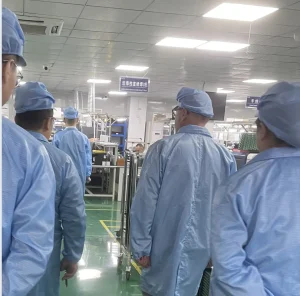
A PCB is one of the main parts of an electronic device. However, it cannot function as a complete device on its own. It needs different components to communicate and work together. You must assemble them to make the device work properly. The complete assembly is then placed inside a protective box or enclosure. In industry, this process is called PCB box build assembly service.
In this article, we will explain what PCB Box Build Assembly Service is. We will also discuss the differences between PCB Assembly and Box Build Assembly. Finally, we will explore the key specifications and important details of this process.
What does Box Build Assembly Mean?
1Every electronic device has a few core components. For example, PCBA, wires, connectors, displays, and an enclosure are noteworthy. To complete a device, you need to put all these objects in an enclosure. Consequently, this process is called PCB Box Build Assembly Services.
At the very beginning of box building, all these components are placed on production lines. The board is gradually assembled and passes through all steps on the line. Once the assembly is complete, different types of testing are conducted to check quality. They check power, signals, software, wire connections, and internal defects. If the unit passes these stages, it is then labeled and packed. Customers then get a ready-to-sell product from one single manufacturer (UETPCB).
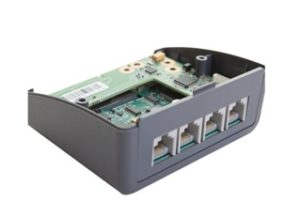
What is the Difference Between PCB Assembly VS PCB Box Build Assembly?
PCB assembly and Box-build PCB assembly use different production lines. Typically, PCB assembly focuses only on the circuit board. Workers place all necessary components on the bare board and solder them. Once complete, they test it using multiple methods. The PCB assembly job ends here. The board is not yet a finished product. It needs other parts, such as wiring and a casing.
The box-build assembly comes next. It starts with the complete PCB board. Then it adds the enclosure, cables, and other mechanical parts. The box-build assembly also includes final testing and packing. When it is complete, the product is ready to sell.
PCB Box Build Assembly Services
PCB box-build assembly services cover everything from a board to a working product. A single manufacturer or supplier handles the entire process, from enclosure and wiring to parts and testing. It saves both time and money.
PCB Assembly
After PCB fabrication, PCBs move to assembly lines for PCBA. Today, manual assembly is no longer practiced. Factories are relying on automated devices to increase daily capacity.
An automated PCBA line usually consists of several machines in sequence. First, a solder paste printing machine applies the solder paste on the SMD pads. Then the PCB goes through an SPI inspection machine to check whether the solder paste is applied properly. Next, it goes through a pick-and-place machine. It places all the necessary components on the PCB.
Next, it goes through a reflow oven, where the solder melts and the components are soldered. Later, an AOI inspection machine checks for any defects. Finally, the PCBAs go through a continuity test.
Enclosure and Housing Assembly
The next step is to protect the board properly. A box-build assembly adds a case around it. The case can be made of metal or plastic. It protects the board from dust, dirt, heat, and other harsh environmental conditions. Later, add the seals, mounts, and panels.
Cable and Wire Harness Assembly
The cable assembly mainly connects the PCB to other parts of the device. These connections may include power input, displays, or sensors. The components used depend on the device type and its functions. These connections are necessary to allow the device’s components to work together.
Electromechanical Component Integration
This assembly line mainly connects the device’s electrical and mechanical parts. For example, if you are assembling a device with radiator fans. The final step before closing the box would be assembling the radiator fan. Also, adding connectors, switches, motors, relays, batteries, and other components is important.
Final Product Assembly
The final step completes the final product. Workers close the enclosure and load the firmware. They run a full test on the working unit to check its quality and functionality.
Box-build assembly also includes adding labels, packaging, and manuals. As a result, customers receive a ready-to-sell product, not a board that needs more work.
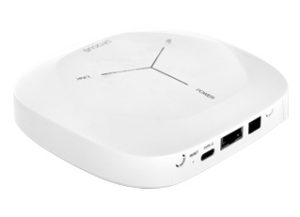
Different Types of PCB Box Build Assembly Services
Nowadays, many types of PCB box-build assemblies are available. Each type has a different purpose and satisfies different needs. Some cover a few steps, and some cover everything. The right option depends on your budget, timetable, and product requirements.
Partial Box Build Assembly
Partial box-build assembly only covers a few steps of PCB box-build assembly. The supplier only fits the PCB into the enclosure. The customer then handles the rest. This approach is ideal for organizations that have their own workers. This practice saves you time and cost and gives you more control over the device.
Full Box Build Assembly
Full box-build assembly is one of the most popular methods. It covers everything once the PCB is manufactured. The supplier handles the enclosure, wiring, adding other mechanical parts, and testing. There is no place for customer intervention. As a result, it minimizes the chance of errors.
Turnkey Box Build Assembly
Turnkey assembly is a one-stop solution for a wide range of customer needs. In this process, the supplier handles everything from start to finish. This includes sourcing parts, manufacturing boards, and assembling units. In addition, the supplier also performs various types of testing, packaging, labeling, and delivery. This service is an ideal option for companies with smaller teams.
Custom Box Build Assembly
Custom box-build assembly is ideal for customers with particular requirements. The supplier only follows the customer’s design rules. It can also include using customer enclosures, parts, and their testing requirements. As the entire system is customized, it typically costs more than other options. But it works best for complex and unusual products.
Summary
This article has given you a complete insight into the key difference between PCB box-build assembly and PCB assembly. Box-build covers the enclosure, wiring, electromechanical parts, and final testing. But PCB assembly stops at PCB fabrication.
As you know, there are four primary types of box-build assembly processes. Partial box build covers a few steps, while full box build handles everything after the board is made. Turnkey looks after the entire project. Custom solution is for special designs. Select the option that best suits your requirements.
For further queries, you can contact us at any time. Our technical experts and friendly team members are always ready and happy to help you choose the right option. Stay connected and stay updated.