
A PCB is not just a board but is comprised of many small parts layer by layer. Making it is usually complicated if you don’t hire a professional. A PCB design software can help you create, test, and model PCBs before they are made. Like other designs, PCB design involves creating the final digital version…

11
feb
feb
Printed circuit board assembly, or PCBA, usually involves many methods. Soldering is one of the most critical steps, making strong electrical and mechanical links between PCB parts. However, when making PCBAs, the two main choices are lead and lead-free solder. Lead solder was discovered many years ago. However, due to its risk of health hazards…
24
jan
jan
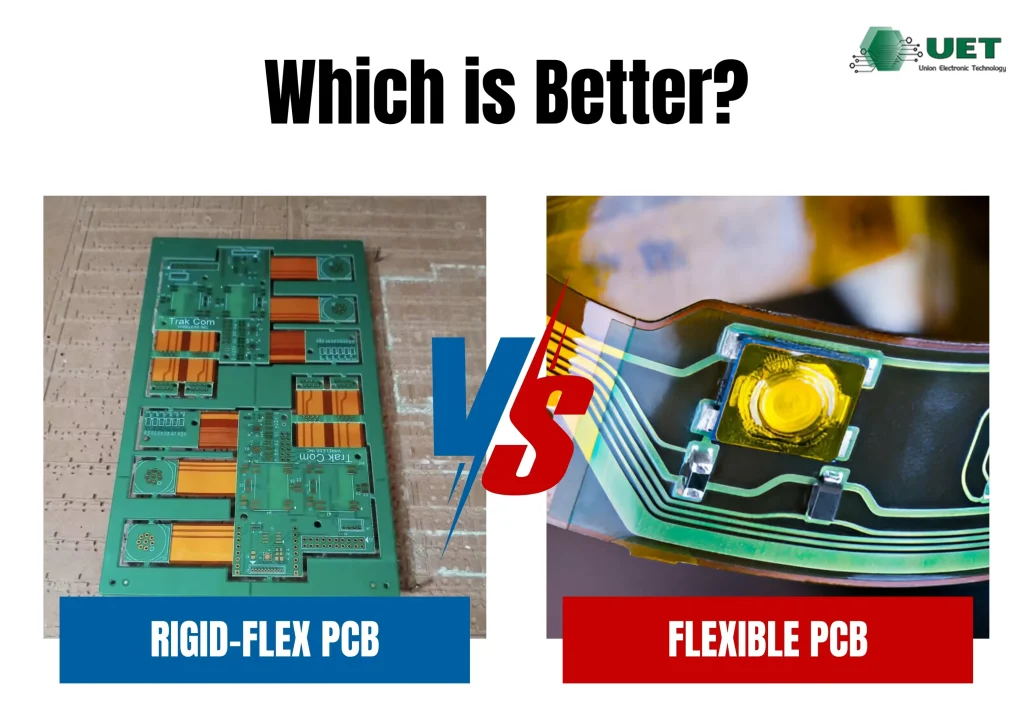
Printed circuit boards may come in various types and forms. The main reason behind this diversity is to fit them in different electronic gadgets. Rigid-flex and flexible PCBs are among the most common types. However, when it comes to which is better, many questions arise. Thus, the topic, “Rigid-flex PCB vs Flexible PCB: Which is…

22
jan
jan
An LED PCB is very popular in modern electronics. The PCB typically provides the foundation for mounting LEDs, making lighting more efficient and durable. In this article, you will learn what LED printed circuit boards are, their benefits, and their making process. After learning about their applications, you will get hints about design considerations. Overall,…
20
jan
jan
PCB thickness determines a circuit board’s strength, performance, and durability. It also ensures proper heat dissipation in a circuit. A PCB thickness tolerance tells you the allowable thicknesses for a perfect fit. In this article, you will specifically learn about PCB thickness tolerance. There are different tolerance values for different PCB thicknesses. Overview of PCB…
20
jan
jan
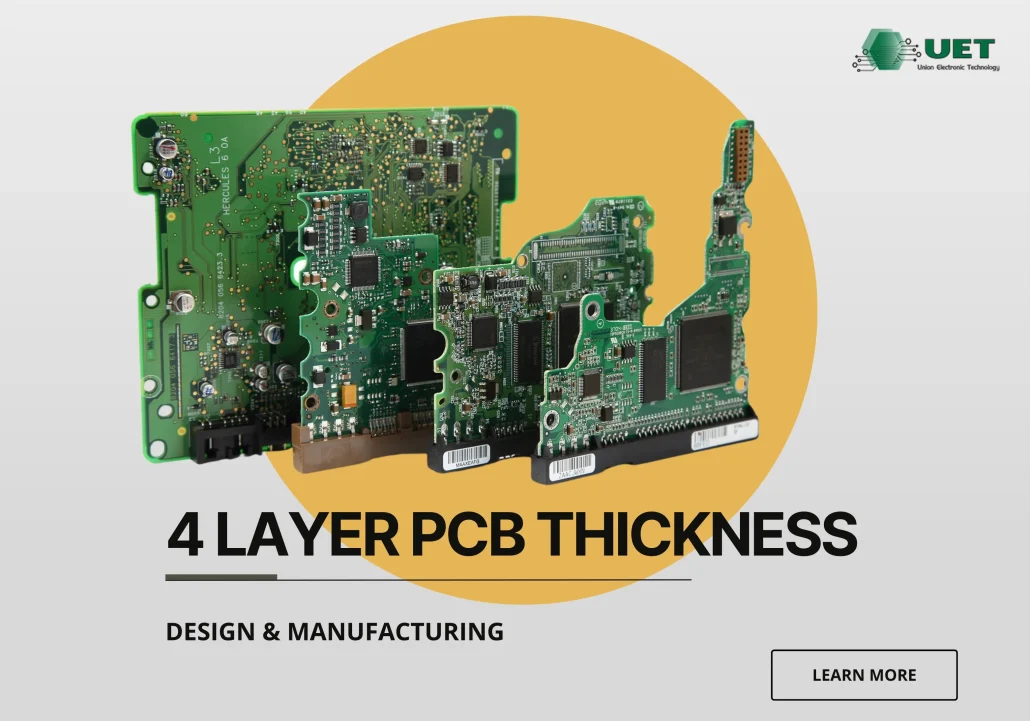
A 4-layer PCB is the most popular type of printed circuit board used in electronics. It consists of 4 layers with different functionalities. These boards are typically used in all general-purpose electronic gadgets. In this article, you will learn more about 4-layer PCB thickness. Understanding 4-Layer PCB Thickness The thickness of a 4-layer PCB greatly…
15
jan
jan
Regarding PCBs, circuit board copper thickness becomes a critical topic. This thickness depends on several factors. However, the amount of current needed to carry is the most vital. This article mainly gives you an idea of the typical PCB copper thicknesses. Standard Circuit board copper thickness Copper thickness may vary depending on current capacity and…

14
jan
jan
PCB thickness is critical to the longevity of electronic gadgets. It usually changes how strong your gadget is. Besides, you can determine how flexible and well it can dissipate heat. As you can see, knowing more about Common PCB Thickness is crucial. Common PCB Thickness Categories We use hundreds of electronic gadgets every day….
13
jan
jan
PCB thickness plays a critical role in electronic design. When designing a PCB, you must focus on its performance. When you think of performance, you must pay attention to the heat dissipation system. PCB thickness greatly affects these two factors and eventually increases the durability. However, this article, “1.2mm vs. 1.6mm PCB,” will compare and…

28
dec
dec
PCB assembly involves putting the electronic components on the PCB board, also known as PCBA. There are different PCB assembly processes, and BGA assembly is among the most popular. In the modern world, people seek advanced PCB assembly processes. As you know, electronic components are getting smaller and becoming more convenient. Thus, the demand for…