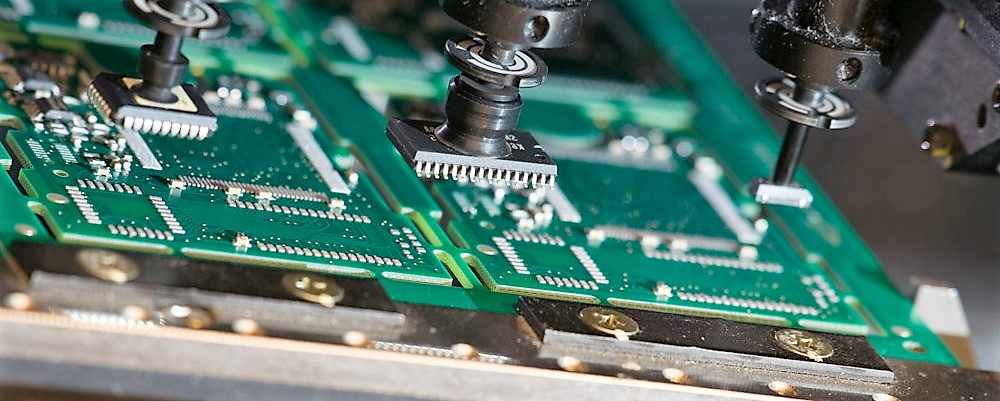
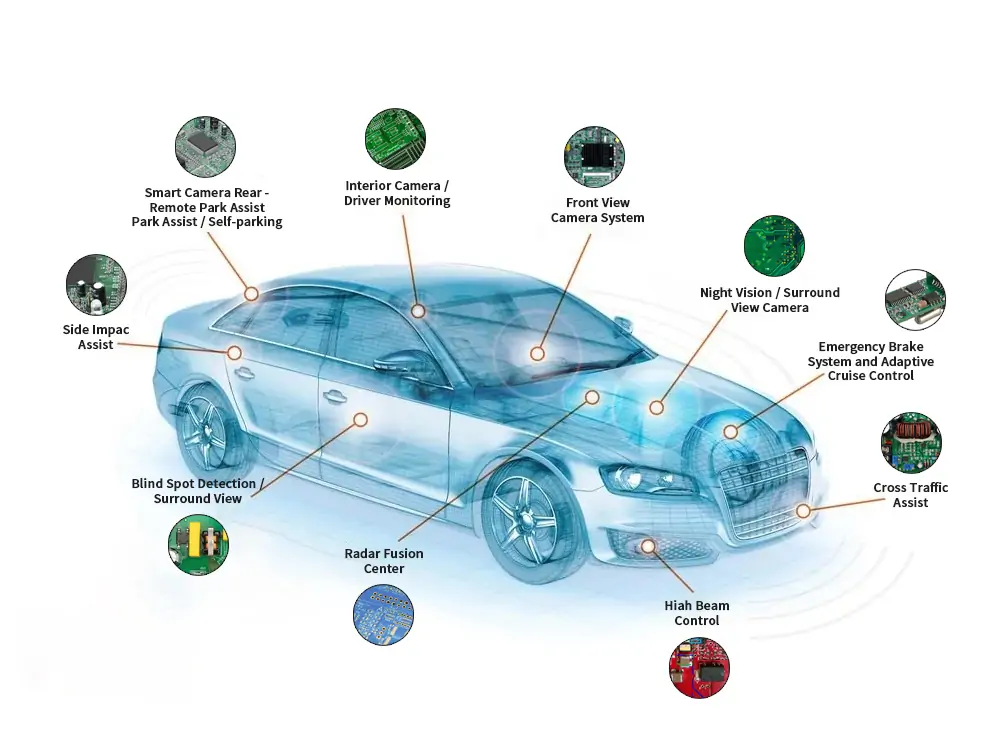
Automotive PCBs are a high-tech product used in the field of automobile manufacturing. These boards are used to control the various systems of the car, including the engine, brakes, electricity, audio, and more.
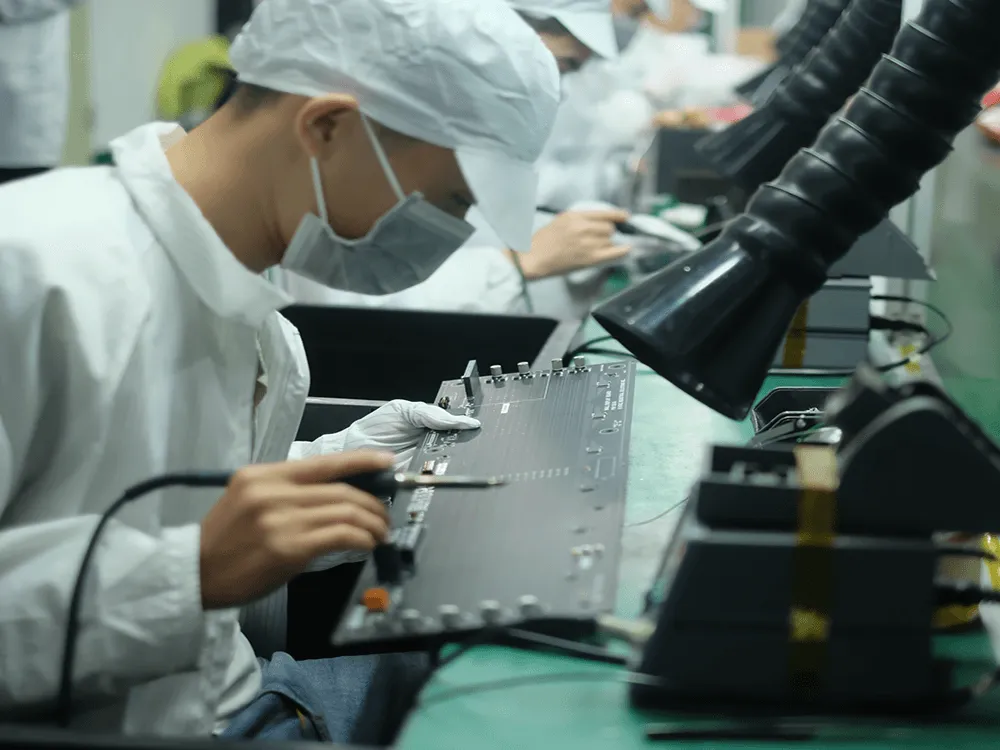
Automotive circuit boards must be highly reliable. Because they work in extreme environments such as high temperature, shock and humidity. Due to the special needs of automotive circuit boards, they need to be designed and manufactured to a high standard. Special materials and processes that meet automotive industry standards are required. The manufacture of automotive circuit boards requires a high degree of specialized skill and experience.
Applications of Automobile PCBs

Engine Control Unit (ECU):
Automobile PCBs are used in the ECU, which is responsible for controlling the engine’s performance, fuel injection, ignition timing, and other functions.
Anti-lock Braking System (ABS):
Automobile PCBs are used in ABS to ensure that the vehicle’s wheels do not lock up during braking, resulting in better control and safety.
Infotainment Systems:
Automobile PCBs are used in the infotainment systems of modern cars, such as the radio, GPS, and other entertainment functions.
Climate Control System:
Automobile PCBs are used in the climate control system to regulate the temperature and fan speed of the car’s cabin.
Lighting Systems:
Automobile PCBs are used in the lighting systems of the car, including headlights, brake lights, turn signals, and other lights.
Power Distribution:
Automobile PCBs are used in power distribution systems to distribute power to various parts of the vehicle.
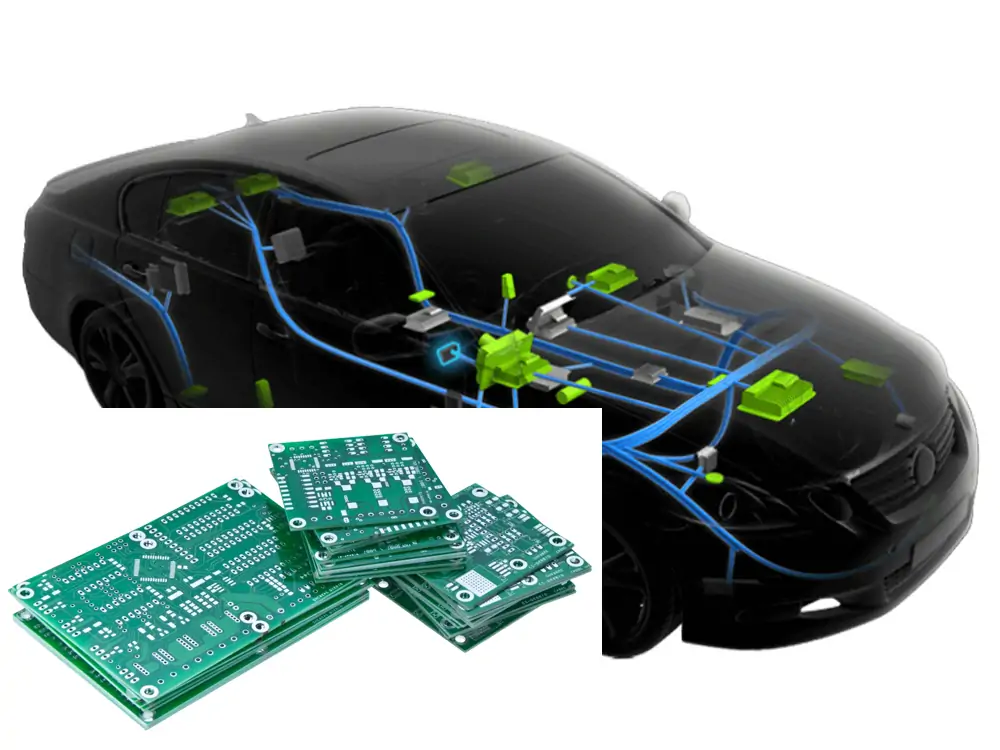
Types of Automotive PCBs
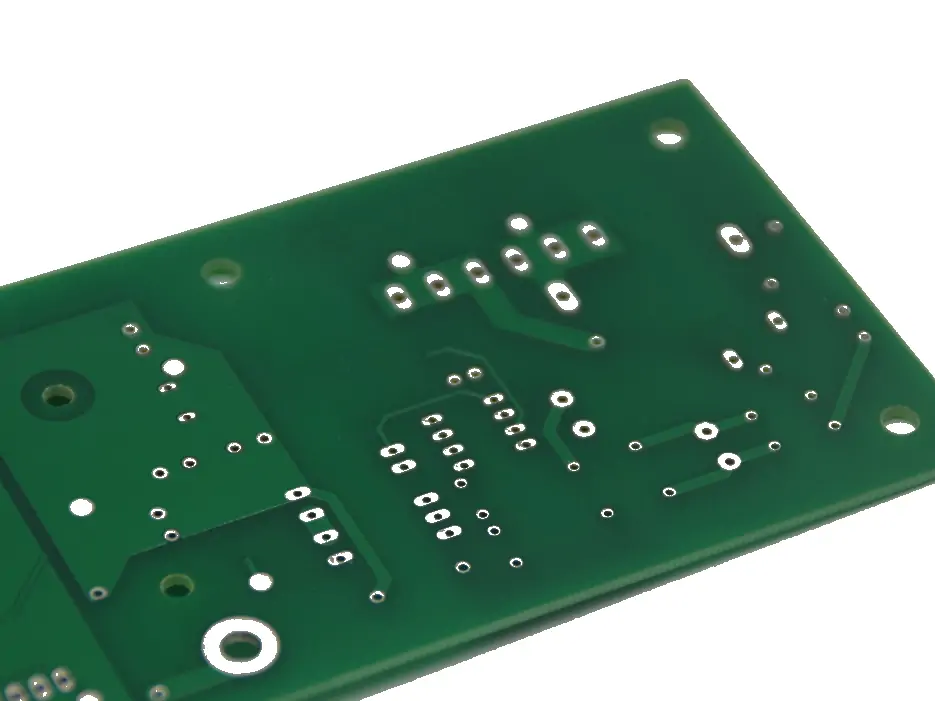
Single layer PCBs:
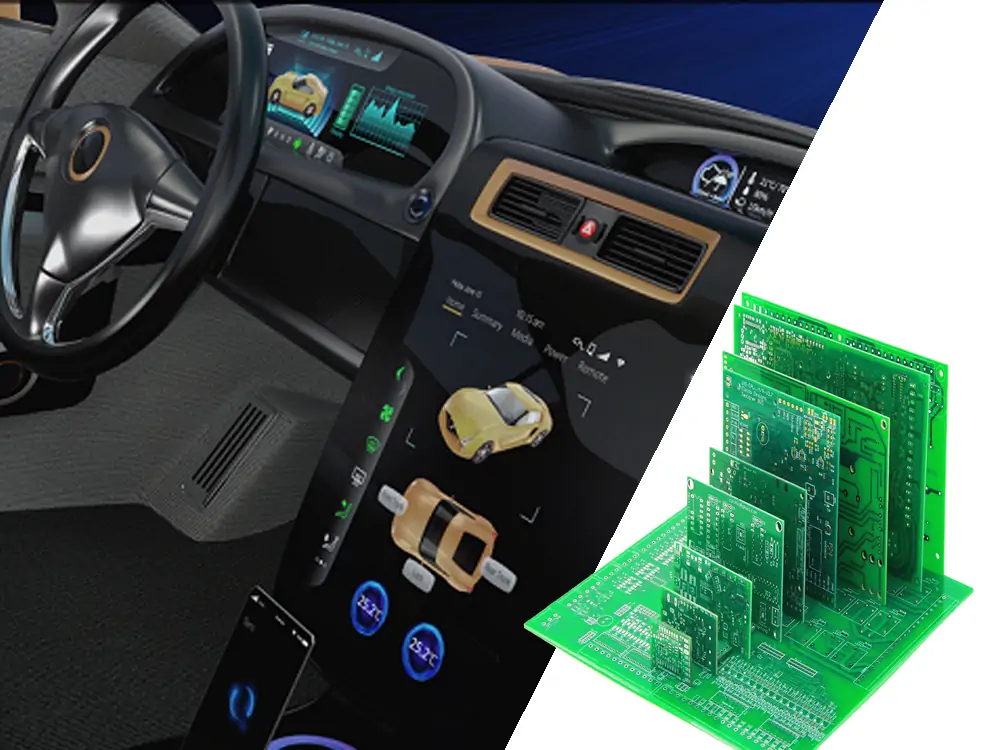
Single-layer PCBs are the simplest and most basic type of PCBs used in the automotive industry. They are used for low-cost applications that do not require complex circuitry.
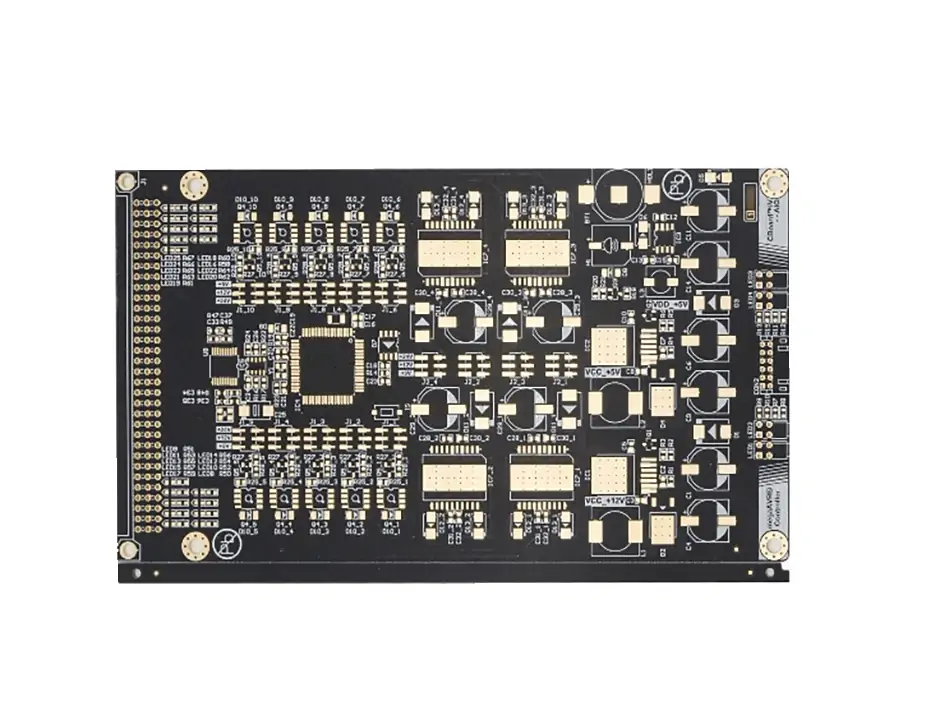
Double-layer PCBs:
Double-layer PCBs are more complex than single-layer PCBs and are used in applications requiring a higher density of components.
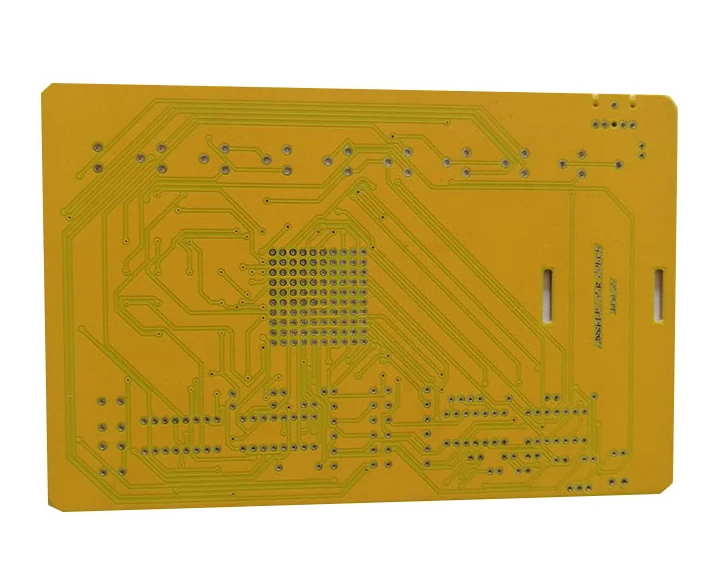
Multi-layer PCBs:
Multi-layer PCBs have several layers of conductive material sandwiched between insulating layers. They are used in applications that require high-density, complex circuitry, and good electromagnetic compatibility (EMC) performance.
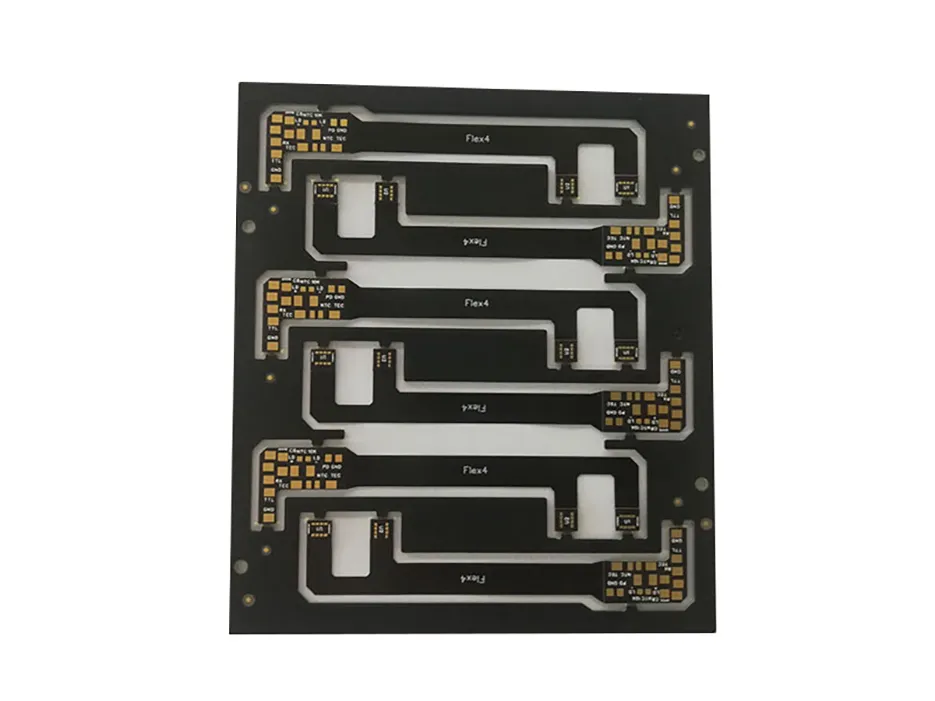
Flexible PCBs:
Flexible PCBs are made of flexible materials and are used in the automotive industry for applications that require a high degree of flexibility.
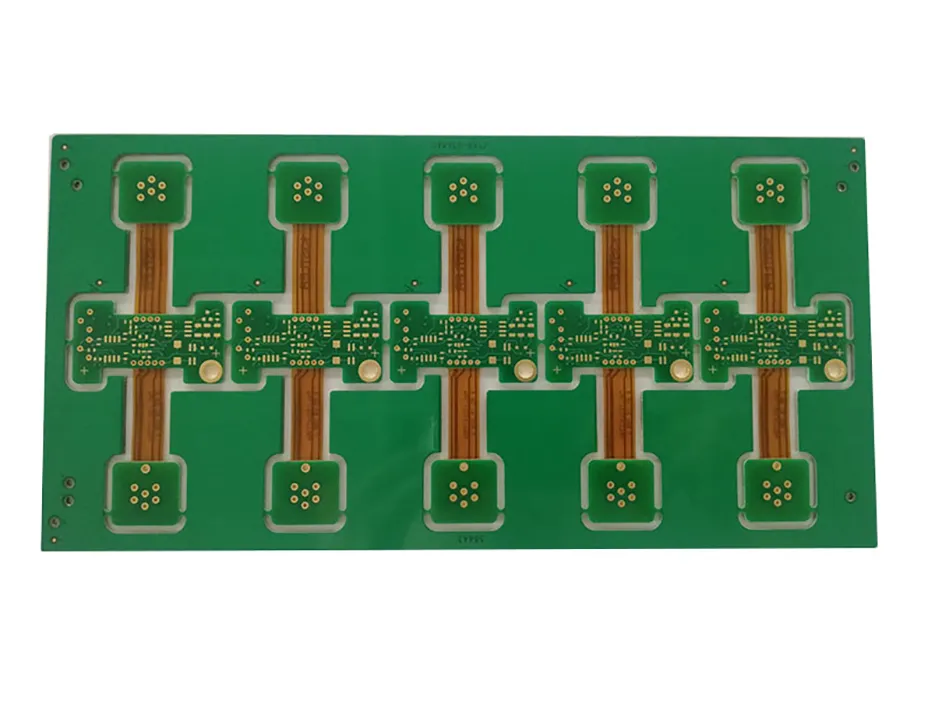
Rigid-Flex PCBs:
Rigid-Flex PCBs are a combination of rigid and flexible PCBs and are used in applications that require both flexibility and rigidity.
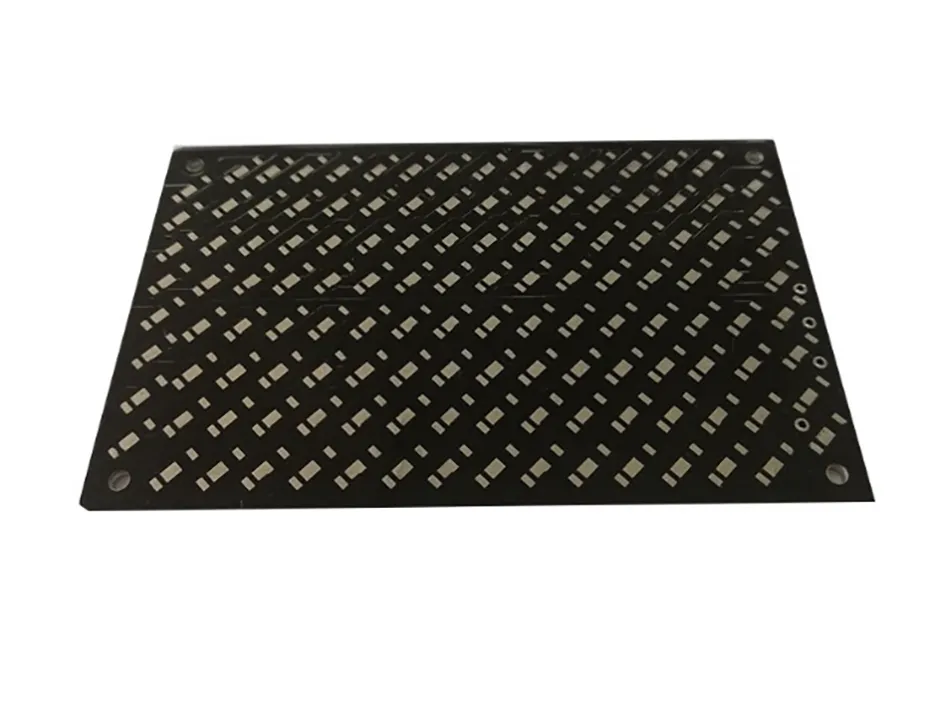
High-Temperature PCBs:
High-temperature PCBs are designed to withstand high temperatures, making them suitable for use in automotive applications that operate at high temperatures, such as the engine control unit (ECU).
Automotive PCB standards
| standard encdoing | standard name | Publisher | required content |
|---|---|---|---|
| IPC-6012D | Qualification and Performance Specification for Rigid Printed Boards | IPC | Quality and Performance Specifications for Rigid Circuit Boards |
| IPC-6013C | Qualification and Performance Specification for Flexible Printed Boards | IPC | Quality and Performance Specifications for Flexible Circuit Boards |
| IPC-6018B | Qualification and Performance Specification for High Frequency (Microwave) Printed Boards | IPC | Quality and Performance Specifications for High Frequency (Microwave) Circuit Boards |
| IPC-2221B | Generic Standard on Printed Board Design | IPC | Common standards for circuit board design |
| IPC-4101C | 刚性及多层印刷电路板基材规格 | IPC | 刚性及多层电路板基板的规格要求 |
| AEC-Q100 | 基于失效机制的集成电路应力测试认证 | 汽车电子委员会 | 集成电路的压力测试与质量规范 |
| ISO 26262 | 道路车辆——功能安全 | 国际标准化组织 | 道路车辆的功能安全法规 |
在这些标准中,IPC是一个国际电子工业联合会,其标准在电子制造业中被广泛采用。AEC是汽车电子委员会,其标准主要面向汽车电子行业。ISO是国际标准化组织,其发布的标准在各个领域被广泛采用。
需要注意的是,不同的汽车制造商对汽车电路板可能有各自的标准和要求,因此具体要求可能会有所不同。

为何选择 UETPCB 作为您的汽车PCB供应商

高品质制造
我们提供高质量的制造和组装服务,确保交付给客户的每一块汽车用PCB都具备卓越的性能和可靠性。

丰富的经验
我们拥有丰富的经验和专业技术,能够根据客户需求定制汽车用PCB,并提供技术支持。

高效的交付能力
我们能够提供高效的交付能力,确保客户在快速的生产周期内获得所需的汽车PCB,并支持客户的生产计划。
合理的价格
UETPCB 能够以合理的价格提供高品质的汽车用印刷电路板,为客户的生产带来高性价比,并提升客户的竞争力。
灵活的生产能力
在 UETPCB,我们拥有灵活的生产能力,可根据客户要求生产小批量或大批量的汽车用 PCB,以满足客户的需求。
优质的客户服务
在 UETPCB,我们致力于提供优质的客户服务,在整个生产过程中支持客户的需求并解决其遇到的问题,同时为客户提供解决方案。

联系我们吧!