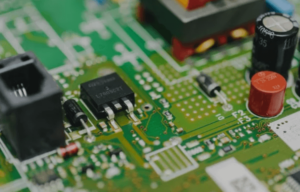
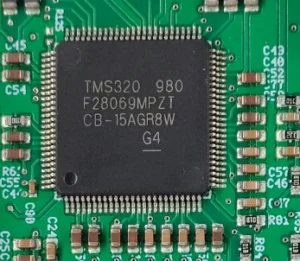
A printed circuit board assembly, or PCBA, is the compact version of a large electrical setup. It contains many smaller parts that work together for the desired output. Instead of messy wires, a PCB uses copper traces to carry signals. The smaller you make the device, the higher the risk. This is where proper standards, especially IPC-A-610, come in.
什么是IPC-A-610标准?
IPC-A-610 is a standard that explains how to check the quality of electronic assemblies. IPC published it; it is an organization that develops standards for the electronics industry. The standard shows you what acceptable and unacceptable quality looks like. Besides, it also covers different types of PCB assemblies.
IPC-A-610 also guides component placement, soldering, cleaning, coating, and marking. It doesn’t tell you how to design a PCB. Instead, it provides the acceptance criteria for checking the finished assembly. Overall, it makes quality checks more consistent and reliable.
Key Criteria of IPC-A-610 Acceptance
PCBA, or printed circuit board assembly, comes in a wide range of designs and forms. They also use a wide range of PCB components. Even the same component type can come in different forms. Today, three types of PCBs are common: THT, SMT, and Mixed. Each has different assembly criteria and requires specific inspection standards.
通孔元件组装
TH components are typically mounted by inserting their leads through holes in the PCB. The IPC-A-610 criteria, in this case, focus on various assembly methods. It focuses on correct placement, lead condition, solder coverage, and security. Some of the key IPC-610 requirements are as follows:
1) You must position and orient the components according to the drawing.
2) The leads of the components should extend through the PCB by an acceptable amount.
3) The component leads must not have cracks, severe bends, or other damage. These defects can affect the assembly quality.
4) When soldering, you must follow the IPC-A-610 standard. It must comply with the solder amount, proper soldering method, and so on. The solder must properly wet the component and the PCB board.
5) Unwanted solder connections are totally unacceptable.
6) The solder joints should not show poor bonding. A rough appearance or other signs of defects are also unacceptable.
7) You must firmly mount the components. In this case, you should not move them excessively.
8) The PCB lands, holes, and surrounding areas should not show damage caused by assembly.
9) Reject visible cracks in solder joints or damaged component connections. They may affect the required connections.
Surface-Mount or SMT Component
SMT components are mounted directly onto PCB pads. They typically allow you to work with high-density, compact PCB. As you know, SMT components and their solder joints can be very small. Because of this, accurate placement and careful solder checks are necessary. Some of the key IPC-A-610 acceptability criteria for electronic assemblies are:
1) Some SMT components are polar type. They usually have directional requirements. In such cases, you must ensure they are placed in the correct orientation.
2) You must only place the SMT components on their designated pad surface.
3) Regarding soldering, the paste and solder must cover enough to ensure a secure connection. Specifically, check the area between the component end and the pad.
4) The joint must have an acceptable solder fillet based on the component type. It may also depend on the connection type.
5) The component toe and the heel position should remain within the acceptable limits.
6) Once again, cracks, chips, and lifted terminals are not acceptable. They may compromise the overall assembly quality.
7) There should be no unintended solder connection between pads or terminals.
8) Excessive solder is not acceptable. It may interfere with the electrical connections.
9) Components should not be tilted, lifted, or improperly seated. They may affect the connection.
10) Internal voids remain within the applicable acceptance limits.
Mixed Type PCB Assembly
A mixed-type PCB typically includes both SMT and TH components. You will need this kind of PCB when both the PCB size and strength matter. Other factors, such as power handling or connector support, may also affect your decision. In such situations, there are IPC-A-610 criteria as well:
1) All SMT and TH components should match the required assembly position. For SMT components, check the polarity.
2) You should properly insert and solder the TH leads according to the applicable requirements.
3) SMT components should sit correctly on their assigned pads.
4) Solder joints for both types should provide proper wetting and electrical connections.
5) When both SMT and TH components are used, maintaining the proper spacing is crucial.
6) Solder should not create unintended connections between adjacent conductors.
7) Larger THG components should be firmly secured. This is especially necessary where mechanical stress is likely.
8) Other requirements should follow the SMT and TH IPC-A-610 acceptability of electronic assemblies.
So far, you have been introduced to three different IPC-610 criteria. In this section, we will generalize each criterion. We will explain how they apply to common PCB assembly requirements.
IPC-A-610 standard typically covers more than component and solder joint checks. It mainly explains the overall assembly process. Personnel training is one of the most important chapters.
元件放置
The first criterion in IPC610 is component placement. It is essential for quality electrical performance and reliable assembly. Before assembly, make sure you have the right materials ready. The components must match the approved PCB layout. Indeed, the wrong component will cause faults. Eventually, you will end up with a defective item. The important IPC-A-610 requirements for component placement include:
1) You must install the components in the correct direction. This is especially important for diodes, capacitors, and other polar components.
2) You must also align the components with their PCB pads or holes properly.
3) Clearance is very important, especially for SMT technology. Maintain clearance between components and nearby conductive areas.
4) Before soldering, ensure you have placed them correctly.
5) If you are working with TH components, you must not bend the lead too much. Do not use damaged or improperly trimmed components.
6) For SMT components, position them accurately on their designated pads.
焊接
Soldering is a core working step in PCB manufacturing. It creates both the electrical and mechanical connection of the components and the PCB. IPC-A-610 specifically defines soldering requirements.
1) Solder should bond to the component lead, termination, and PCB pad. In this case, the joint should have enough solder to ensure a quality connection.
2) The solder fillet should have an acceptable shape and size. It mainly depends on the component and connection type.
3) Any unintended connections are totally unacceptable.
4) Try to avoid excess solder. It may create electrical and mechanical problems.
5) Solder joints should not have cracks or fractures.
6) Poorly bonded joints are not acceptable.
7) Voids should remain within the applicable acceptance limits.
清洁与涂层
After assembly, the PCB may still contain flux residues, dust, and particles. You cannot use simple cleaning cloths; there are proper steps for that. IPC-A-610 standard also defines requirements for PCB cleaning and coating.
1) The assembly should be free from unacceptable residues and contaminants.
2) The cleaning process should be suitable for the PCB materials.
3) PCB coating should consistently cover the required areas.
4) You must control bubbles, cracks, voids, peeling, and other defects on the PCB.
5) The thickness should suit the application and coating material.
6) The coating material should not negatively affect the final performance.
Marking & Labeling
Once everything is done, the PCB must be marked. Marking and labeling help you trace each PCB. You can create your part number rules, including the date, serial number, and modification code. IPC-A-610 also defines various requirements for marking PCBs.
1) The PCB marks should be clear and readable. They should support product and production traceability.
2) Markings should remain readable even under operating conditions. You can use various marking methods for permanent markings. The right method may depend on your specific case.
3) Labels and markings should not interfere with the components, solder joints, or testing.
培训与认证
The IPC-A-610 standard also defines training requirements. It specifies the content you should understand for assembly and inspection.
1) You learn the IPC-A-610 requirements for your or your employee’s job functions.
2) The training standard explains how to identify acceptable conditions and defects.
3) This training may also include various scenarios for practice. It may include examples of acceptable and defective assemblies.
4) Certifications typically allow you to demonstrate your knowledge of IPC-A-610 requirements. They also serve as evidence that you have completed the training.
5) Training programs may include an examination to evaluate your understanding of the standard.
6) Your employee should keep their knowledge current. Refresher training can help your employees stay familiar with updated requirements.
结语
IPC-A-610 acceptability of electronic components is a standard used to check the quality of PCBs and PCBAs. It helps keep your product quality consistent. Therefore, when choosing a manufacturer, ensure that they follow such a standard. Also check whether the company follows other industry standards.
UETPCB is a leading manufacturer of various PCB products and assembly solutions. The company follows important standards, including IPC, ISO, and RoHS. These standards help UETPCB always maintain good production and product quality. If you have any questions about our PCb products and services, feel free to contact us.