
Modern electronic devices are getting smaller. But how do manufacturers fit so many components into a tiny space? SMT, or Surface Mount Technology, typically makes that possible. Therefore, understanding the SMT meaning is crucial.
SMT technology typically places small components directly onto the PCB. It eliminates the need for a troublesome THT setup. It speeds up the manufacturing process and even allows you to create smaller PCB.
What Does SMT Mean?
SMT means Surface Mount Technology, which is widely used worldwide. It is a manufacturing method of making printed circuit boards (PCBs). This type of PCB is usually smaller in size and has dense components on the surface. You can find them in most modern devices.
With SMT manufacturing, small parts are attached directly to the board surface. It doesn’t require holes or long leads to mount components like resistors, capacitors, and others. So, SMT refers to how components attach to PCBs without drilling.
SMT parts are called SMDs, or surface-mount devices. They are tiny and lightweight. You might wonder how components are firmly attached to the PCB without pins and holes. Well, SMT components are smaller and extremely lightweight. With a simple solder, they can be firmly attached to the board. This design makes the assembly faster and more compact than all other methods.
If you consider the traditional THT method, it requires drilling holes on the PCB. If you have many components, consider how many holes you need to make. This makes your manufacturing process troublesome and time-consuming. It also limits the ability to make various kinds of PCB.
On the other hand, SMT has changed the concept entirely. It allows industries to produce effective, compact parts while maintaining functionality.
Beyond that, SMT plays an extensive role in modern industries. Its application is not limited to a few sectors. From medical and automotive sectors to industrial and electronics sectors, you can see it almost everywhere. Even your phones and laptops rely on it daily. This widespread use shows why SMT means so much to modern technology.
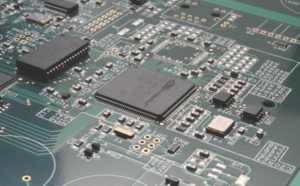
SMT Assembly Process
Surface mount technology, or SMT, follows a sequence of steps to make a functional PCB. Each step builds on the last. The process then turns a bare circuit board into a working Device. In this process, a machine controls SMT almost entirely. Below is a step-by-step breakdown of the SMT process.
Solder Paste Printing
SMT solder paste printing applies special paste onto the bare board. A stencil is placed on the board. Then it spreads across the surface through the stencil’s small holes. This way, it creates a paste pattern on the pads. This pattern matches where every component will fit. Precision matters a lot here. A single mistake can cause severe problems later.
Component Placement
The next step places the components on the board. A machine called a pick-and-place system performs this step precisely. In general, it picks up tiny parts and places them onto the printed circuit board. During this step, speed matters. This pick-and-place system maintains a stable speed to complete the process quickly. It is fast and highly automated. It can easily place thousands of parts per hour.
Reflow Soldering
The board then moves through a reflow oven. Heat melts the solder paste. Thus, it creates a strong bond between the parts and the board. The oven has different heat zones. The temperature rises and falls in stages to keep the components safe and protected from damage. Once it cools, the solder hardens, and the parts become firmly attached.
Automated Inspection
After soldering, inspection steps occur to check for errors. Automated Optical Inspection, or AOI, checks each board. Cameras look for tiny details that are hard to detect through visual inspection. Common issues include missing parts or poor joints. AOI inspection can easily flag these problems. The main reason is to ensure quality control.
Testing and Rework
After inspection, the board undergoes testing. Electrical testing confirms proper functionality. During testing, if experts notice any minor defect or bad connection, they fix it. Often, they replace parts or resolder them as needed. This practice ensures reliability for the users. Thereafter, only working boards move forward. Thus, it completes the SMT assembly process.
SMT Meaning in Medical Sector
Medical devices need tiny components to work efficiently. Beyond smaller parts, they also require precise components. Some examples include pacemakers, hearing aids, monitors, and many other devices. SMT, or surface-mount technology, makes it possible to make smaller parts.
In the medical industry, strict requirements such as component size and medical-grade materials are crucial. Surface-mount technology (SMT) ensures all these features with incredible precision. It lets you create parts and stable connections for long-term use. They can even withstand sterilization processes. The main goal is to make devices functional and able to survive daily use without failing. A failure or weak connection can cause severe problems for patients. Here, SMT provides strong, reliable bonds that meet these standards.
SMT is widely used across many medical tools. Even diagnostic machines use SMT boards to improve result accuracy. Wearable health trackers depend on it for comfort and low weight. Many hospital machines use SMT to stay compact yet dependable. As medical technology evolves, SMT continues to improve and support smaller and smarter devices.
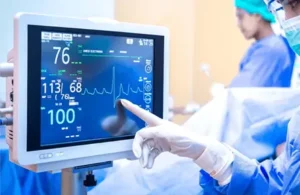
SMT Meaning in Automotive Sector
Without SMT, you cannot imagine running modern-day vehicles. Modern cars now run on electronics. Sensors, control units, displays, and other components are common standards. These parts must survive harsh operating conditions. Heat, vibrations, and moisture are very common in vehicles. SMT parts can easily withstand these conditions, which is a major advantage.
Automakers also need fast, large-scale production. Millions of vehicles roll off the line each year. SMT supports this speed without losing quality. It also saves space inside the car. This way, SMT features more without adding bulk. Its compact boards easily fit into tight spaces.
SMT plays a vital role in car manufacturing. Engine control units rely heavily on it. Safety sensors, like airbags and parking systems, also rely on SMT control. Other key components, such as infotainment screens and dashboards, also use SMT parts. These SMT parts keep evolving, enabling new ideas that benefit people.
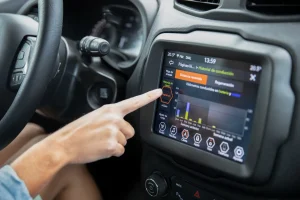
SMT Meaning in Industrial Sector
SMT in industrial sectors is used for heavy-duty electronics and electrical devices. These are known as control hardware. Manufacturers create machines, control panels, and power systems that all need PCB to operate safely. These systems can run for specific hours or non-stop based on the design requirements. Overall, they handle heavy-duty applications.
What does SMT mean, or what is it used for in industrial sectors? SMT stands for surface-mount technology and improves strength and speed. As a result, it creates a strong connection that can withstand constant use. Moreover, SMT supports fast production, which helps you meet specific industrial order dates. Every factory needs reliable solutions, and SMT delivers that level of reliability.
You can see its widespread application across different industrial equipment. Programmable logic controllers, or PLCs, use SMT technology to build PCBs. Many power supplies and control units also depend on it. Industrial sensors, automation systems, and other devices utilize SMT. So, SMT is still an important part of industrial technology as factories become more automated.
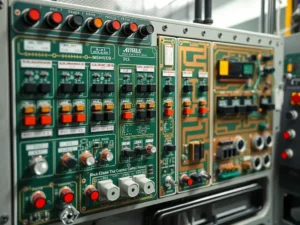
SMT Meaning in Consumer Electronics Sector
Your everyday devices heavily rely on small parts. For instance, your phones, laptops, tablets, and other devices need a compact design to be more convenient. Consumers today look for lightweight, easy-to-carry devices. Also, the space inside these devices is very limited. You can’t fit larger components here.
SMT makes electronics assembly easier. This is what SMT stands for. They meet all the requirements. It lets many components fit on small boards. As a result, the device becomes thin, small, and lightweight. Moreover, SMT is low-cost and efficient enough to provide rapid production for larger-scale projects. This low-cost solution makes it affordable for consumers. You can also produce larger quantities in less time, reducing downtime.
SMT is used in consumer electronics in our daily gadgets. As mentioned earlier, smartphones and laptops are the most common. Other examples include earbuds, smartwatches, televisions, projectors, and many more. Many home appliances also use SMT components. As consumer electronics evolve, SMT is making them smaller and smarter.
SMT vs. THT: Which one is Better?
Surface-mount technology (SMT) and Through-hole technology (THT) are both soldering methods. SMT places parts directly on the PCB, while THT uses leads that go through holes to attach parts. You are already familiar with the SMT abbreviation. SMT is faster and smaller. It remains an effective solution for smaller devices. But THT is better for larger, heavier components. Both fit different uses and needs.
Your choice depends on your project requirements. SMT is important for compact devices. It works best for mobile, medical, consumer electronics, and other sectors. In contrast, THT suits robust equipment such as power devices. However, some manufacturers use both SMT and THT methods.
Final Thoughts
SMT plays an important role in modern electronics. It allows you to make smaller PCB and ensures faster production. Most modern devices, like communication devices, use such PCB. Therefore, knowing the “SMT Meaning” is crucial.
SMT typically supports a wide range of applications. However, it may not suit every project. It may not be suitable for devices that involve frequent movement or vibrations. In such applications, THT PCB provide more stable, stronger connections. Therefore, both methods have their own advantages. Knowing their meaning and specific applications can help you make better decisions.