
An Austrian engineer created the first PCB in 1943. Since then, many new technologies have appeared in the electronics industry. Among them, SMD, or surface-mount devices, is a core technology. Today, many people want to know in detail about the “SMD Meaning” and its uses. Electronic devices are getting smaller. As a result, the need…
24
Sep
Sep
Modern electronic devices are getting smaller. But how do manufacturers fit so many components into a tiny space? SMT, or Surface Mount Technology, typically makes that possible. Therefore, understanding the SMT meaning is crucial. SMT technology typically places small components directly onto the PCB. It eliminates the need for a troublesome THT setup. It speeds…
23
Aug
Aug
A printed circuit board assembly, or PCBA, is the compact version of a large electrical setup. It contains many smaller parts that work together for the desired output. Instead of messy wires, a PCB uses copper traces to carry signals. The smaller you make the device, the higher the risk. This is where proper standards,…
20
Aug
Aug
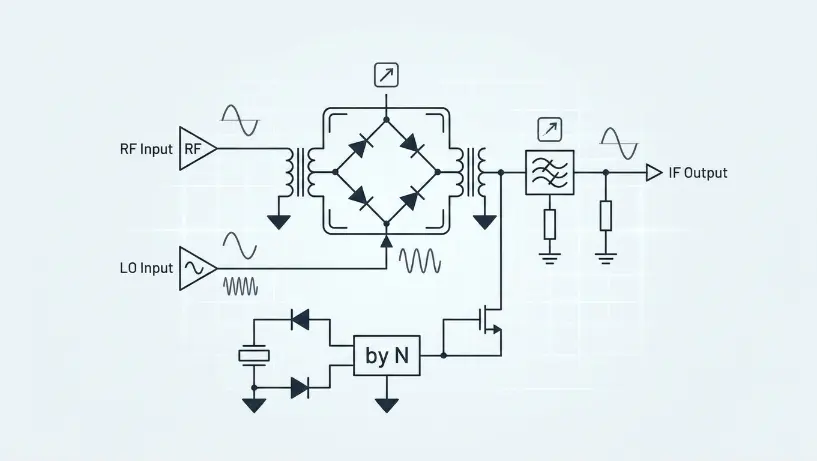
Today we use radios, mobile phones, Wi-Fi, GPS, radar, and many other wireless devices almost every day. All of these systems depend on signals moving at different frequencies. But there are so many signals around us. Have you ever wondered how an RF system handles the right one without getting confused? The secret lies in…
20
Aug
Aug
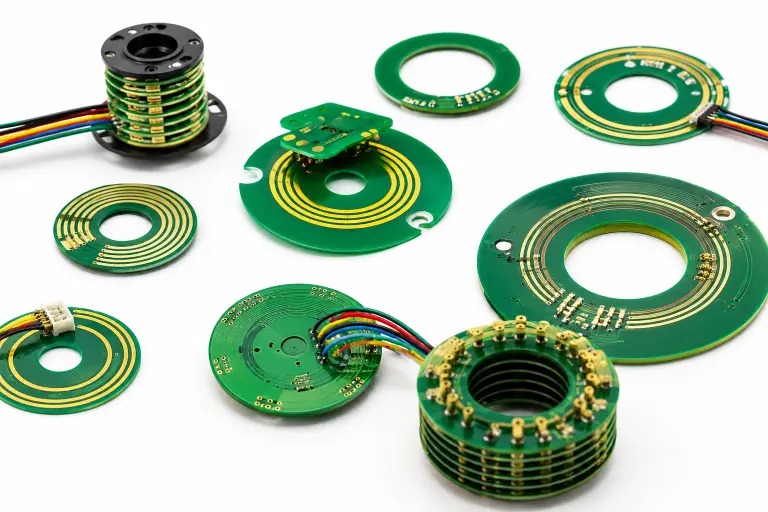
Rotating components have to transfer electrical power between the rotating and stationary components. At the same time, this transfer is possible with wiring; challenges arise, such as wire twisting or entanglement. It may cause failure and may present many more issues as well. Slip rings are the best possible solution in such a case….
18
Aug
Aug
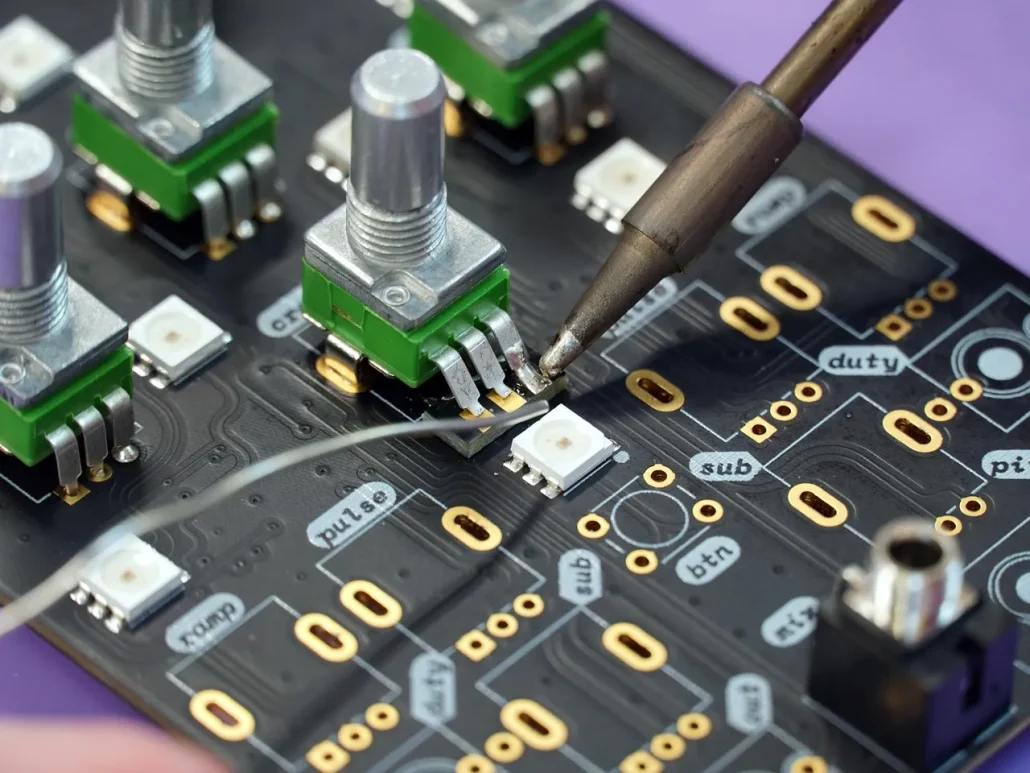
A potentiometer is a crucial device that helps in several circuits and systems. Whether you are designing an audio amplifier, calibrating a sensor, adjusting LED brightness, controlling motor speed, or creating an analog user interface, a potentiometer provides an effective and fast way to control and adjust the current and voltage values. However, wiring…
13
Aug
Aug
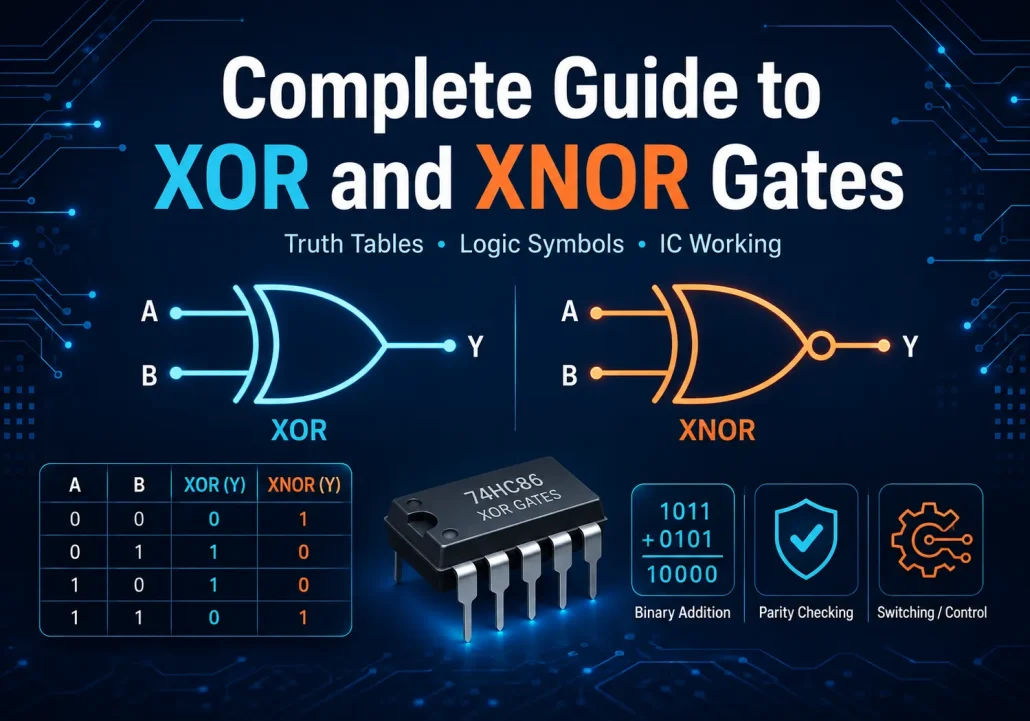
You may have wondered how a small laptop can process and work with large amounts of data. Or perhaps you have wondered how tiny computer processors are able to perform complex tasks. What are logic gates, by the way? And how do XOR and XNOR gates really work? If so, today’s discussion is for you….

27
Jul
Jul
The use of PCBs is common in a wide range of electronic devices. These include smartphones, laptops, tablets, and more. However, modern PCBs come with multiple layers for better signaling and routing. These multiple layers are connected through tiny holes called vias. This term stands for “Vertical Interconnect Access.” However, there are different via types…
26
Jul
Jul
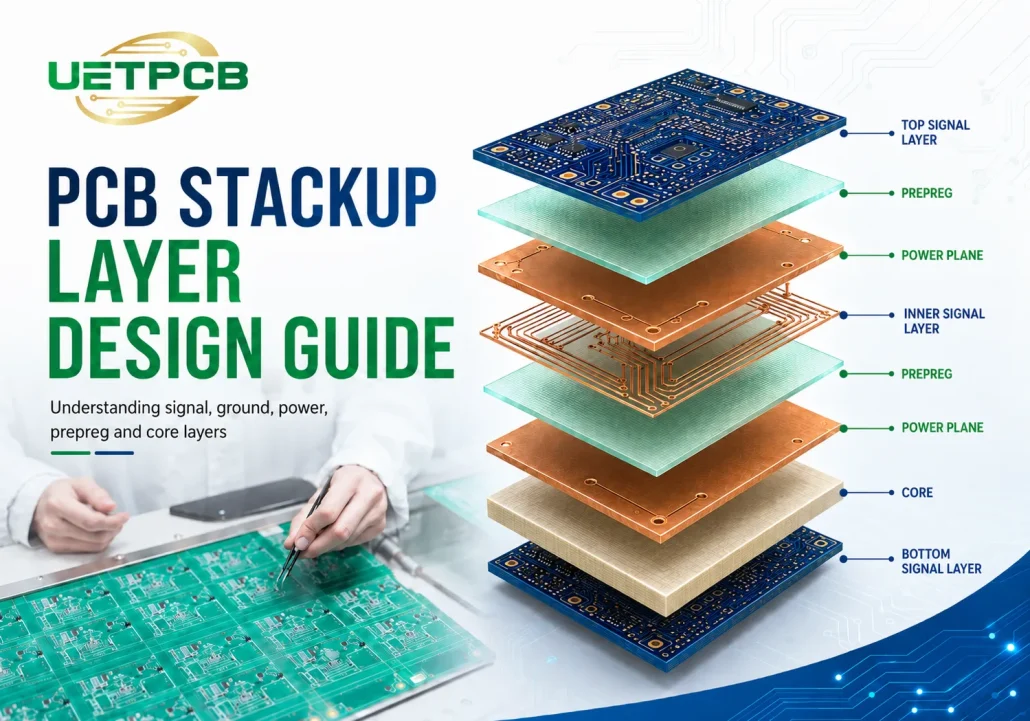
You might be wondering how thousands of electrical connections work inside a PCB. Even a simple analog circuit needs wire connections and a messy setup. How come a thin green card can complete a circuit without any risk of a short circuit? That’s where proper PCB stackup design comes in. PCB stackup design is an…
16
Jul
Jul
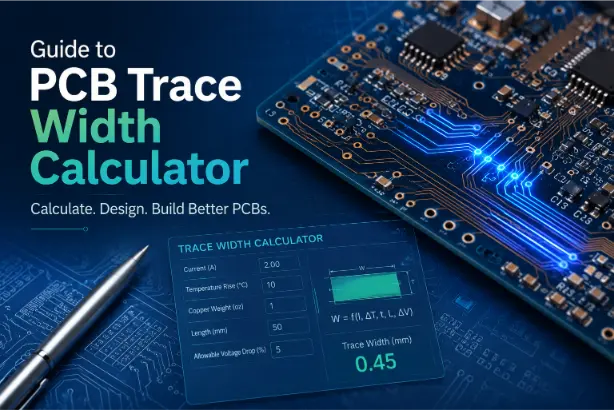
Printed circuit boards are integral components of almost every device. From smartphones to electrical display systems, printed circuit boards provide seamless functionality and operational systems for devices. One of the most important components when designing is the trace width. It is a game-changer because it carries the current without overheating. The wrong width can…